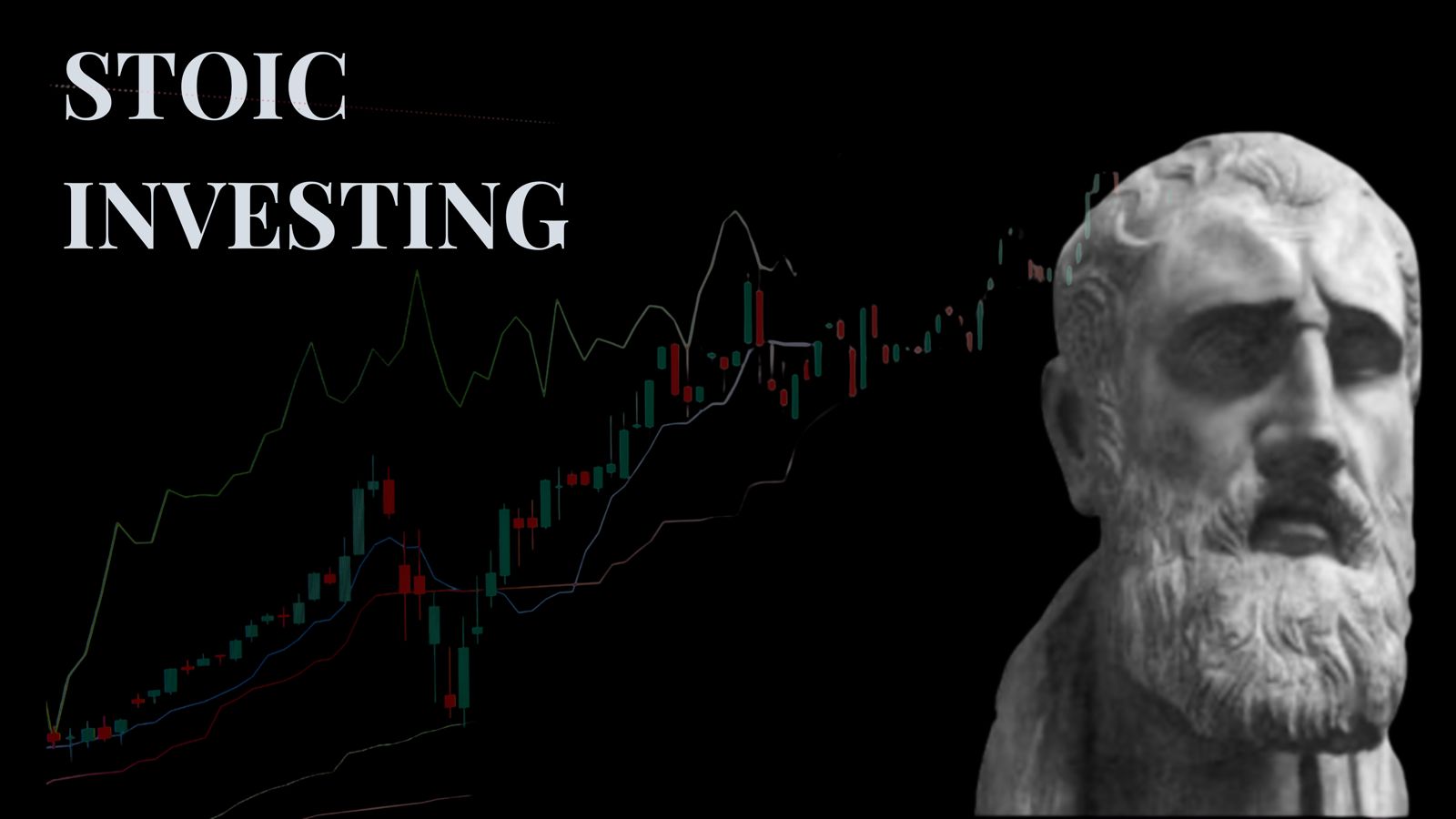
Markets Update: When the Going Gets Tough, Allocate Capital Smartly

The biggest challenge in investing is rarely the market.
It is ourselves.

Let us share few of our learnings.

1. Focus on the Process, Not the Outcome

Stoicism teaches one timeless truth: we control our actions, not the results.
In investing, you can’t control market returns, but you can control how you allocate, research, and react.

A stoic investor defines success not by quarterly returns, but by discipline and consistency in following a sound process.

2. Stay Emotionally Balanced

Markets swing between euphoria and despair — often faster than we expect.
A stoic investor maintains calm in both extremes.

When everyone’s greedy, they stay rational.
When fear grips the market, they stay composed.

Emotions are powerful, but letting them dictate decisions can destroy years of compounding.

3. Patience Is Strength

Stoicism values endurance — and so does investing.
The best results often belong to those who wait, reinvest, and stay the course through volatility.

As Warren Buffett says, “The stock market is a device for transferring money from the impatient to the patient.”

4. Accept the Uncontrollable

Markets will fluctuate. Elections, wars, policy shifts, interest rate surprises — all beyond your control.
A stoic investor accepts uncertainty as part of the journey and focuses instead on preparation — through diversification, asset allocation, and risk control.

You can’t predict. But you can prepare.

5. Avoid the Herd

The Stoics believed in independent thought, free from social noise.
Likewise, the best investors don’t follow crowds — they follow conviction.

While the world chases fads, stoic investors stay anchored to fundamentals.
They would rather be right later than popular now.

6. Detach Identity from Portfolio Performance

Markets don’t validate intelligence or morality — they reflect cycles and probabilities.
Stoic investors don’t tie their self-worth to daily NAVs or index levels.
They focus on learning, not labeling themselves as “smart” or “wrong.”

7. Reflect Regularly

Marcus Aurelius practiced daily reflection — analyzing actions to strengthen judgment.
In investing, this means reviewing your decisions:

  • Was my reasoning sound?
  • Did I act out of fear or greed?
  • What can I do better next time?

Every reflection refines your discipline.

8. Build a Margin of Safety

Stoicism teaches prudence — the wisdom to prepare for adversity.
In investing, that’s your margin of safety: buying quality at reasonable value, holding cash when valuations stretch, and never over-leveraging.

9. Keep Perspective

Markets rise and fall, economies boom and slow.
But over time, progress prevails.
A stoic investor remembers that downturns are temporary, compounding is permanent.

10. Stoicism and Compounding — Two Sides of the Same Coin

Both reward patience, discipline, and time.
Stoicism compounds inner peace.
Investing compounds wealth.
And both demand that we master one thing above all — ourselves.

Conclusion

In the end, stoic investing isn’t about being emotionless.
It’s about being emotionally aware — and disciplined enough not to let emotions run the show.

Because successful investing isn’t a test of intelligence.
It’s a test of temperament.

Best Regards
Sri Subhash Yerneni,
Founder,
Vika Wealth.

Family Office | Estate Planning | Tax Services | ESOP Advisory | Company Incorporations | Mutual Funds | PMS | Bonds | AIF | Offshore Investing | Private Equity and Venture Capital Funds

Disclaimer: All the above views are for educational purposes and are not given as investment advice.

Subscribe To Our Blogs

About Author

Sri Subhash Yerneni

Sri Subhash is an astute banking and finance professional with 14 years of real-world experience in wealth management, advisory of financial instruments such as mutual funds-equity and debt-alternate investment funds ( AIF)-structure and offshore products-private equity-venture capital/debt-bonds and MLDs-priority banking-cash management-team management-and working with various cultures in various nations.

Scroll to Top